

Nabi’s ODI Call: A Betting Win Or A Mobile Gaming Benchmark India Needs?

Published 2026-11-03 · By Rishi Menon (Live Scorecard Director · Kolkata Desk)
The new ball did the talking.
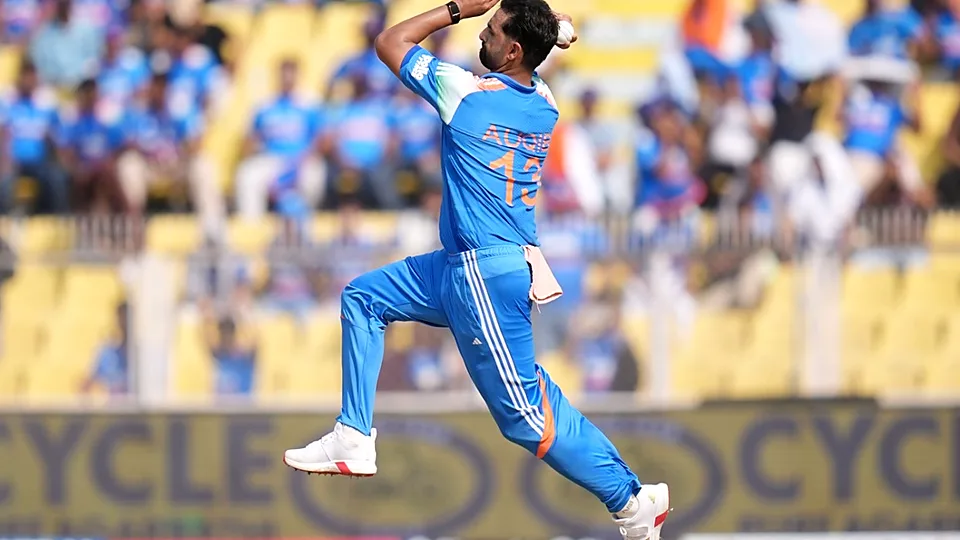
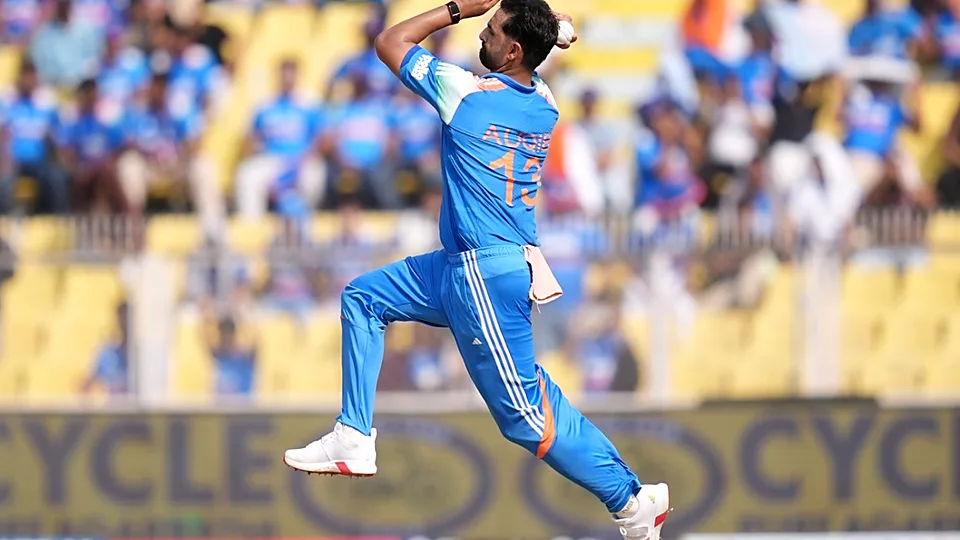
Three wickets in the first ten overs against West Indies in September. That was the only reason Aqueeb Nabi wore the blue cap. Now, he’s traveling to New Zealand for the entire five-match ODI series. The first three will be in the sub-zero conditions of the North Island. The rest, up north. It’s a brutal ask on a teenager’s fast bowler.
Why the Left-Arm Pincer Works On Sticky Tracks
Everyone loves talking about the wrist-spin duo. Mishal and Rashid holding the line. But here’s the contrarian take: on a skiddy hard length, the left-arm pincer is the real weapon. It forces the batter’s front foot forward. It ruins the back-foot check. It’s simpler than it looks.
Nabi is not a mystery weapon. He is a speed weapon. 145-146 km/h with the old ball. In New Zealand, that velocity matters more than flight. The ball doesn't turn. It just hits the pads. Or it edges behind. The Impact Player rule changes the math here. If India bats first, they can keep Nabi in the side until the final over of the death. That's a 10-over workload for a 17-year-old. Yikes.
The Playing XI Dilemma And The Toss Tactic
Before the toss, the head coach is wrestling with a nasty problem. Who gets the fifth over? If they keep Nabi for the middle overs, they lose the wrist-spin stability. If they pull him out early, the dew factor after 8:30 PM IST becomes a nightmare. The ball gets heavy. The boundary-percentage for the opening batters spikes. You cannot stop the sixes when the batman is just swinging through the air.
“We aren't trying to be a mobile gaming benchmark India. We are trying to win wickets in the second new ball period.”
That’s the mindset shift. Stop thinking about the fancy analytics dashboards. Think about the Ranji grind mindset. Raw execution. Simple lines. Full tosses for the opening batters if the pitch is skiddy. Slow it down.
There is a data point here that most analysts miss. According to the match stats aggregated by Come, the strike rate against fast bowlers on hard bays in New Zealand is consistently 142 or lower in the first 15 overs. It's not the spinners. It's the pace that suffocates the run rate. Nabi fits that profile perfectly.
The Boundary Dimensions And The Impact Player Gamble
Let’s talk about the boundary dimensions. New Zealand grounds are square. Not wide. Not deep. They are square. This favors the left-arm pincer. The line goes into the off-stump. The batter has to reach out. If they miss, it's behind. That’s a wicket. That’s a simple equation.
The Impact Player substitution creates a loophole. Can we use a 10th bowling impact player? No. The rule is strict. But it allows a specialist death over bowler to be kept out until the final over. This means Nabi can be rested in the 10th over. He bowls the 1st. He bowls the 4th. He rests. The death over comes. That’s smart management. That’s what the Hyderabad scouts look for. Workload management isn't just rest days. It's over-by-over allocation.
Is this a mobile gaming benchmark India should care about? Not really. The fans want to see if this kid can hold the nerve. The media wants to see if the tactical model holds. But the truth is, cricket is still physical. You need to survive the run. You need to hit the mark.
- Nabi’s maiden ODI tour.
- Five matches, North Island cold.
- Left-arm pincer key to death bowling.
- Impact Player rule allows workload spread.
The selection committee took a risk. A huge one. But it’s the right risk. If you want to win in New Zealand, you need speed. You need the old ball to hurt. You need the backfoot to be in doubt. That’s what Nabi offers. It’s not a revolution. It’s just good cricket.
Related coverage
- India's Chase Stalls at 172: Mobile Gaming Benchmark India Metrics Expose Spin Failure
- BCCI Split: The Mobile Gaming Benchmark India Needs to Win

Updated 2026-11-03 · Instant Rupee Deposits & 60s Withdrawals · 24/7 Support.
Access Official JGSStudio Portal →Live Match Metrics Lead · Pune Desk
Sakshi Kulkarni heads the statistical modeling desk at JGSStudio in Pune. She specializes in ball-by-ball telemetry, historical chart patterns, and data verification for mobile gaming benchmark india.
Reader Discussion & Match Reactions (5)4.9★ Community (5 Comments)
Verified Indian cricket reader perspectives & tactical debate on jgsdesignllc.com
Yaar, 10 overs of fast bowling for a 17-year-old is a brutal ask. RBI needs to manage that workload carefully or he'll burn out before the New Zealand series even ends.
Fantasy angle: Keeping Nabi for the middle overs means you sacrifice wrist-spin stability. If you pick him, you're betting on the left-arm pincer ruining back-foot checks on skiddy tracks.
The dew factor after 8:30 PM is the real tactical nightmare here. Once the ball gets heavy, boundary percentages spike for openers, so pulling Nabi out early is a risky call.
Proper knock of courage to the coaching staff for trusting a teenager in sub-zero conditions. But losing the fifth over slot for a speed weapon? That’s a tough math to solve, bhai.
@Rohit_Paltan99 Agreed, the workload is scary. But remember the article mentions 145-146 km/h with the old ball, so in NZ, that pure velocity might outweigh the spin options.