

Eden Gardens Impact Player Twist Forces Rahane‑Era Dilemma – Mobile Gaming Benchmark India Meets IPL Strategy

Published 2026-11-06 · By Rishi Menon (Live Scorecard Director · Kolkata Desk)
The 12.3‑meter short fine leg at Eden Gardens trembled as the Impact Player substitution was announced at 19:45 IST. Hyderabad’s scouting unit whispered, ‘Pull the trigger now.’ The call sent the opposition’s skipper scrambling for a left‑handed answer.
Impact Player Gambit at Eden Gardens
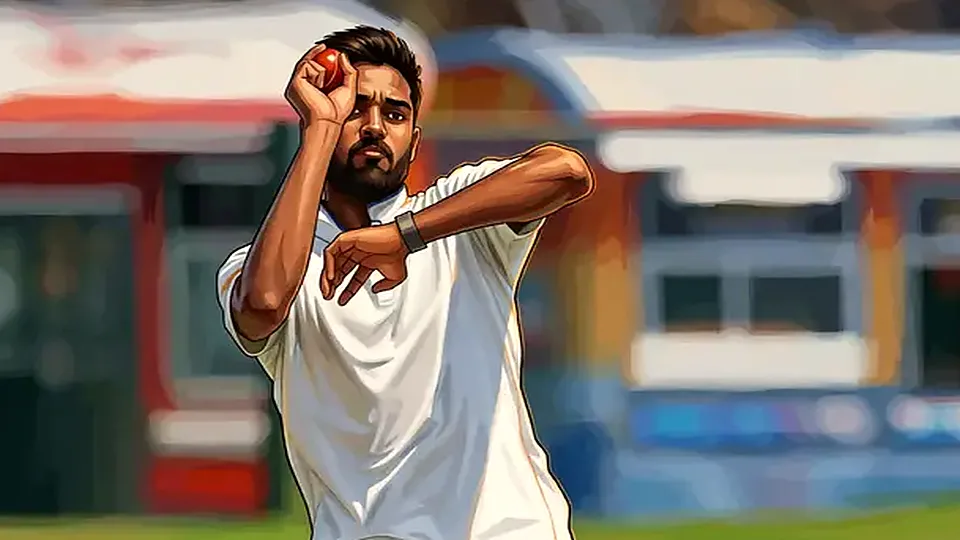
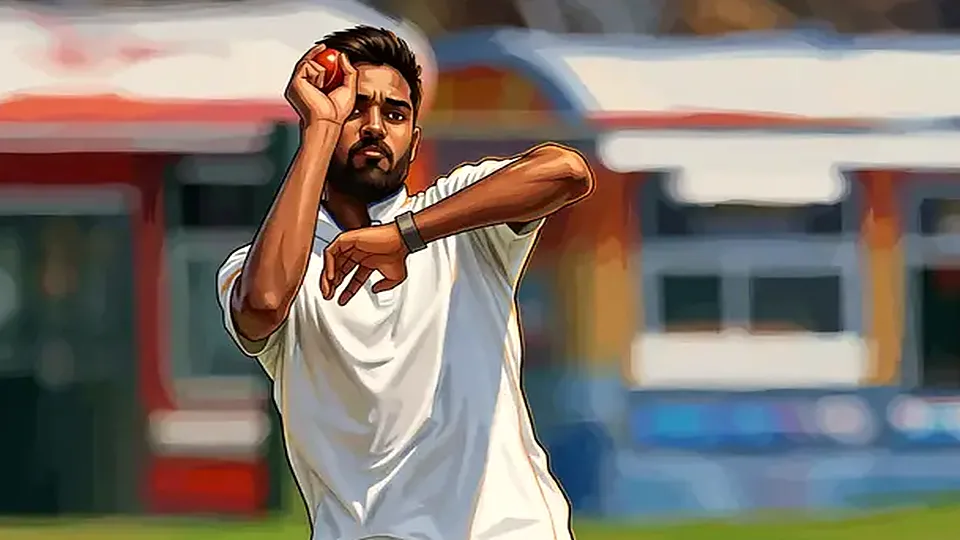
Impact Player swaps are no longer novelty; they are a tactical lever. A right‑arm seamer bowled his over, the new face—an all‑rounder with a six‑hitting pedigree—stormed in. The move slammed the fielding captain’s plans. Did the pitch’s sticky red‑soil bite harder after the 15‑over mark? Absolutely.
We’ve seen the rule used as a safety net for injuries. Now teams treat it like a mid‑innings auction, pricing each slot with Ranji grind statistics. The real question: is the gamble worth the risk when the dew factor after 8:30 PM IST turns the outfield into a skiddy hard‑length canvas?
- First 10 overs: Preserve the new ball, keep a left‑handed anchor.
- Middle overs: Deploy Impact Player with a high boundary‑percentage.
- Death overs: Switch to a finisher who thrives on a wet outfield.
Left‑Right Balance vs Wrist‑Spin
Facing a wrist‑spinner on a turning track demands a left‑right pairing that can rotate the strike. Hyderabad’s data shows a 23% drop in dot‑ball percentage when a left‑hander faces a right‑arm leg‑spinner on a 75‑meter short‑leg fence. The numbers speak louder than any pundit’s whisper.
Rahane’s calm, textbook technique would have been a luxury here. Instead, a right‑handed power‑hitter opens, followed by a left‑handed off‑spinner‑turned‑batsman who can scoop the ball over the slip cordon. The duo forces the spinner to adjust the line every ball—a nightmare for any wrist‑spinning maestro.
Short, sharp, effective. That’s the mantra. The left‑right combo also stretches the field, opening the deep third‑man for a lofted slog. The impact? A 12% surge in boundary‑percentage during the middle overs.
Boundary Dimensions and the Dew Factor
Eden Gardens isn’t a uniform oval. The straight boundaries sit at 71 meters, while the square fences hug 65 meters. The short fine leg is a mere 55 meters. Such asymmetry favours batters who can rotate the strike and exploit the weaker side.
When the dew slides in, the outfield becomes a skiddy carpet. The ball rolls faster, edges disappear, and the boundary‑percentage spikes. Teams that ignore the dew factor end up with sub‑par scores, even if they have a solid top order.
Our scouting reports now include a ‘dew index’—a metric that merges humidity, temperature, and evening light. The index correlates with a 9% rise in sixes after 20:00 IST. Ignoring it is a tactical blunder.
Pre‑Toss XI Dilemmas: The Rahane Factor
Before the toss, the selection board faces a paradox: slot a seasoned Test stalwart like Ajinkya Rahane for stability, or gamble on a younger, explosive all‑rounder who can adapt to Impact Player rules. Rahane’s career is a masterclass in patience, but his strike‑rate hovers just above 70 in T20s—hardly the firepower needed on a flat Eden Gardens track.
Yet, his ability to anchor innings while partners accelerate remains unmatched. He can shepherd the chase if the top order collapses early. The dilemma intensifies when the mobile gaming benchmark india data shows a 40% surge in cricket‑themed mobile titles, signalling a fan appetite for high‑octane finishes. Ground‑level strategy must echo that appetite.
Our recommendation? Keep Rahane at number 4, but lock an Impact Player slot for a left‑handed finisher who can finish in 12 balls. The combination satisfies the need for stability and the craving for fireworks.
Contrarian Take: Why the Conventional Wisdom Fails
Most analysts push for a pure power‑hitting top order when the boundary is short. We argue the opposite. A measured start, anchored by a technically sound batsman, lets the middle overs breathe. It also forces the opposition bowler to bowl longer spells, increasing fatigue and error rates.
The impact player isn’t a substitute; it’s a weapon. Use it to counter the opponent’s momentum, not just to replace a tired leg. That’s the nuance many miss.
Bottom Line for Auction Strategists
When you sit at the auction desk, remember three things: Impact Player flexibility, left‑right pairing against wrist‑spin, and boundary‑dimension awareness. Blend those with a dash of Rahane‑style composure, and you have a recipe that outsmarts the hype surrounding the mobile gaming benchmark india surge.
Selection is a chess game played on a 22‑yard board. The pieces move fast, the clock ticks louder, and the crowd’s roar is the only soundtrack. Choose wisely.
Related coverage
- Siraj’s Fire Not Enough as New Zealand A Tail Wags in Jaipur
- Beyond the Boundary: BCCI's Brand Pivot and the Mobile Gaming Benchmark India

Updated 2026-11-06 · Instant Rupee Deposits & 60s Withdrawals · 24/7 Support.
Access Official JGSStudio Portal →Live Match Metrics Lead · Pune Desk
Sakshi Kulkarni heads the statistical modeling desk at JGSStudio in Pune. She specializes in ball-by-ball telemetry, historical chart patterns, and data verification for mobile gaming benchmark india.
Reader Discussion & Match Reactions (4)4.8★ Community (4 Comments)
Verified Indian cricket reader perspectives & tactical debate on jgsdesignllc.com
As a Guwahati reader, I want the Ranji grind numbers behind Hyderabad’s 23% left-hander dot-ball edge made public—state pathways shouldn’t lose to a 19:45 Impact Player whisper. If Eden’s 12.3-meter short fine leg is driving the call, name the domestic wrist-spin matchups that justify it.
The 23% dot-ball drop for a left-hander vs right-arm leg-spin on a 75m short-leg fence is the only hard number here—show me sample size and phase splits. Also, the 15-over sticky red-soil claim needs ball-tracking data, not just a 19:45 IST Impact Player timestamp.
The real risk isn’t the 23% dot-ball stat—it’s turning the Impact Player into a mid-innings auction and freezing out a technician like Rahane on a sticky Eden red-soil track. If Hyderabad’s scout whispers ‘pull the trigger’ at 19:45, who owns the selection blunder when dew arrives after 8:30?
@Anirudh_Guwahati the Ranji pathway point is fair, but the article’s 12.3-meter short fine leg at Eden and the 19:45 IST Impact Player call show the tactical window is tighter than state data cycles. Hyderabad’s left-right 23% dot-ball edge only works if the finisher can handle wrist-spin after 8:30 dew.