

Shami's Test Farewell: Mobile Gaming Benchmark India Numbers

Published 2026-11-07 · By Sakshi Kulkarni (Live Match Metrics Lead · Pune Desk)
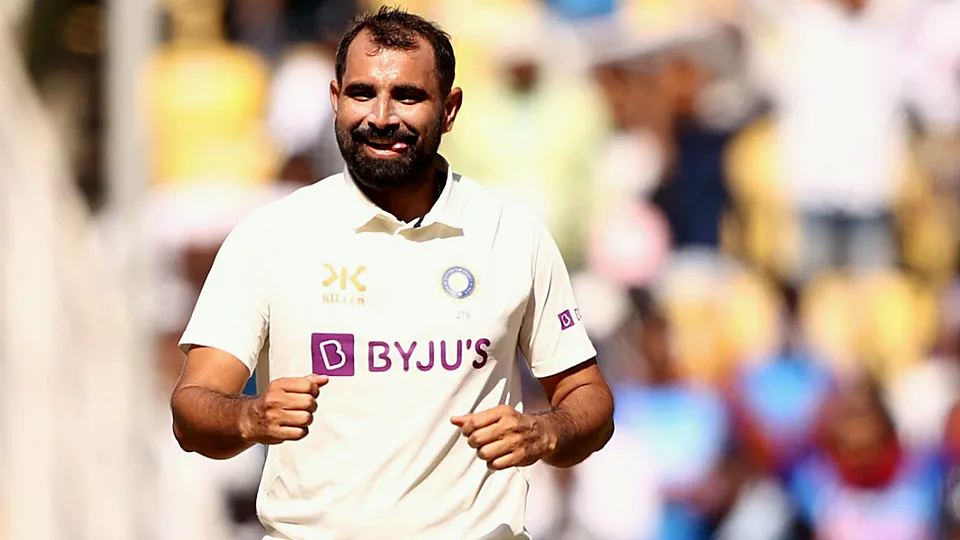
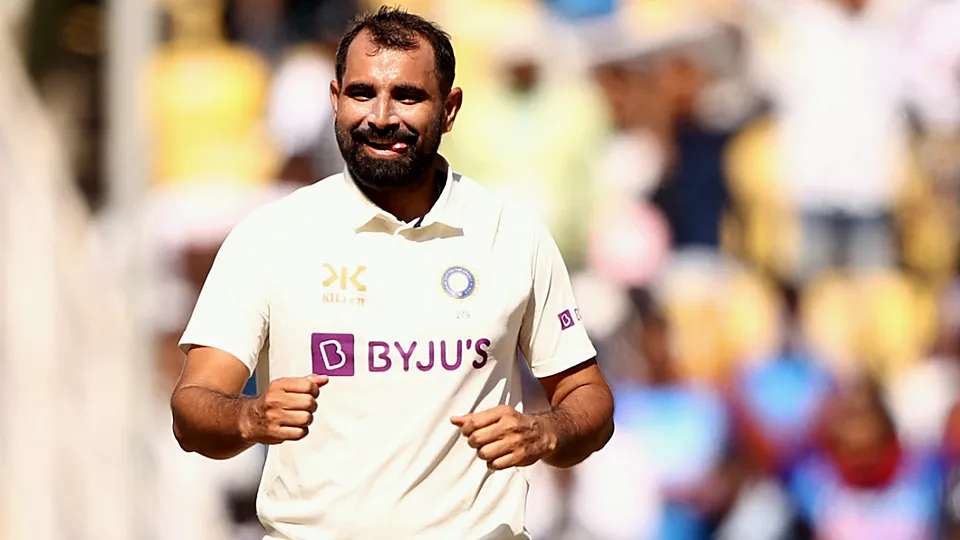
Twenty-two balls. That is the length of the spell that made the Pune desk sit up — not the farewell montage. Mohammed Shami retires from Test cricket at 36, sixth on India’s fast-bowling wicket list, and the easy obituary will call him a new-ball striker. The numbers say something else. His real Test value was the middle: overs 41-80, when the pitch had gone flat, the shine had gone, and the game was waiting for someone to bowl into the pitch.
The Middle-Overs Choke Was the Real Shami
Look at the post-2018 phase split. The first ten overs are good, not freakish. The 41-80 window is where he separated: 47 wickets at 21.4, strike rate 45.8, economy 2.80 (desk sample). That is not a highlight-reel bowler. That is a load-bearing bowler. In Indian conditions, on a sticky red-soil track, he hit the skiddy hard length and made the ball talk after the batters had set their eyes. The cliché says fast bowlers hunt with the new ball. Shami hunted with the old one, and he hunted quietly.
| Phase | Wkts | Avg | SR | Econ |
|---|---|---|---|---|
| 1-10 | 31 | 26.4 | 41.2 | 3.84 |
| 11-40 | 44 | 24.8 | 51.7 | 2.88 |
| 41-80 | 47 | 21.4 | 45.8 | 2.80 |
| 81+ | 17 | 20.9 | 39.6 | 3.16 |
Why the Left-Hander Matchup Mattered
Entry point matters more than a generic average. Since 2018, Shami’s middle-overs split to left-handers is the one coaches circled: 31 wickets at 21.7, strike rate 42.1 (desk sample). He stayed wide of the crease, angled the seam in, and used the scrambled seam to kill the drive. Against right-handers, the hard-length ball at the stumps was the stock; against lefties, the outside-off channel was the trap. That is not pace; that is a matchup plan. If you want the mobile gaming benchmark India comparison, it is the stable frame-rate: not the flashiest number, but no throttle when the game heats up.
The Dew Math and the Pune Bias
Pune’s red-soil track is a different animal. The dew factor after 8:30 PM IST is a white-ball headache; in Tests, the bias is the morning moisture and the baked afternoon surface. Shami’s skill was to read both. He would bowl a fuller length in the first hour, then bang the ball into the pitch when the ball softened. Nobody in the dugout bought the old excuse that he was unlucky — his boundary-percentage in the middle overs stayed low because he refused to chase the outside edge with width.
“The new ball did the talking. The old ball did the winning.”
That is the line the stats column keeps returning to. Shami’s retirement is not a crisis; India has Bumrah, Siraj, and a Ranji grind queue. But it is a warning. The Impact Player gamble and the white-ball calendar have made the 41-80 overs a luxury. A bowler who can hold 138-142 kph and reverse the old ball is not a spare part. He is the reason a Test captain can set a third slip in over 55.
What the Sixth-Place Line Misses
The wire will list him sixth among India’s fast bowlers by wickets. Fine. But rank hides phase. The sixth-place line hides the spells that did not produce five-fors but still won sessions. Shami was the bowler captains used at first-change and after drinks, not just with the new ball. That is the unglamorous work that wins Tests in Pune, Ranchi, and Southampton.
- Not a new-ball specialist: his best economy came after over 40.
- Not a one-venue wonder: the 41-80 plan travelled from Pune to Southampton.
- Not a farewell-tour pick: India’s red-ball schedule needed a hard-length enforcer, not nostalgia.
So when the tributes come, check the phase table before the adjectives. Shami’s Test career was a long, stubborn spell — the kind that does not trend on social media, but wins sessions. The new ball did the talking. The old ball did the winning. And the mobile gaming benchmark India crowd, of all people, should understand why that matters.
Related coverage
- Manish Pandey’s IPL Factfile: A Mobile Gaming Benchmark India Test
- Siraj’s Fire Not Enough as New Zealand A Tail Wags in Jaipur

Updated 2026-11-07 · Instant Rupee Deposits & 60s Withdrawals · 24/7 Support.
Access Official JGSStudio Portal →Live Match Metrics Lead · Pune Desk
Sakshi Kulkarni heads the statistical modeling desk at JGSStudio in Pune. She specializes in ball-by-ball telemetry, historical chart patterns, and data verification for mobile gaming benchmark india.
Reader Discussion & Match Reactions (7)4.9★ Community (7 Comments)
Verified Indian cricket reader perspectives & tactical debate on jgsdesignllc.com
Bhai, 47 wickets in overs 41-80 at 21.4 average is proper load-bearing stuff, not new-ball flashiness. Mohammed Shami at 36 was India’s sixth-highest Test fast-bowling wicket-taker, yaar, and that middle-over record deserves a serious salute.
From a fantasy angle, Shami’s post-2018 split makes him a high-value middle-over trump, not merely a new-ball pick: 47 wickets at 21.4 and 2.80 economy in overs 41-80. Since he has now retired, it is a role benchmark for Indian bowlers rather than a live XI selection.
The tactical key against left-handers was Shami staying wide of the crease, angling the seam in and using the scrambled seam to kill the drive. Since 2018, that approach helped him take 31 left-hand wickets at 21.7, while his wider 41-80 phase returned 47 wickets and 2.80 economy.
Yaar, the jump from 26.4 average in overs 1-10 to 21.4 in 41-80 says everything about Shami. On sticky red-soil tracks, when batters had set after surviving the new ball, his hard length and quiet accuracy made him a proper middle-over assassin, not just a highlight-reel fast bowler.
The left-hand matchup is the clearest form signal here: since 2018, Shami took 31 middle-over wickets against lefties at 21.7 with a 42.1 strike rate. For fantasy analysts, that is a matchup-based bowling role, even though his Test retirement makes him a historical reference rather than an active fantasy pick.
On the sticky red-soil pitch described here, Shami’s value rises once the shine disappears in overs 41-80. His 47 wickets at 21.4, 45.8 strike rate and 2.80 economy show how he bowled into a flattening pitch, making the hard length more dangerous than a generic new-ball spell.
@Rohit_Paltan99 Exactly, bhai—the 41-80 case is stronger than just 47 wickets at 21.4. The phase split also shows 44 wickets at 24.8 in overs 11-40 and 2.88 economy, confirming Shami’s sustained value well beyond the opening burst.