

Wellington Dew Trap vs Mobile Gaming Benchmark India: ODI Metrics Shift

Published 2026-11-09 · By Sakshi Kulkarni (Live Match Metrics Lead · Pune Desk)
The new ball did the talking.
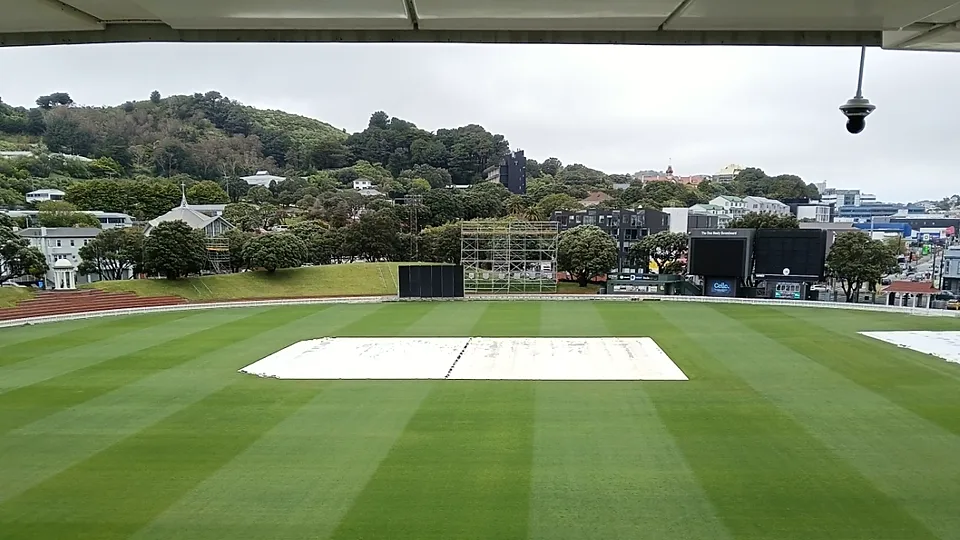
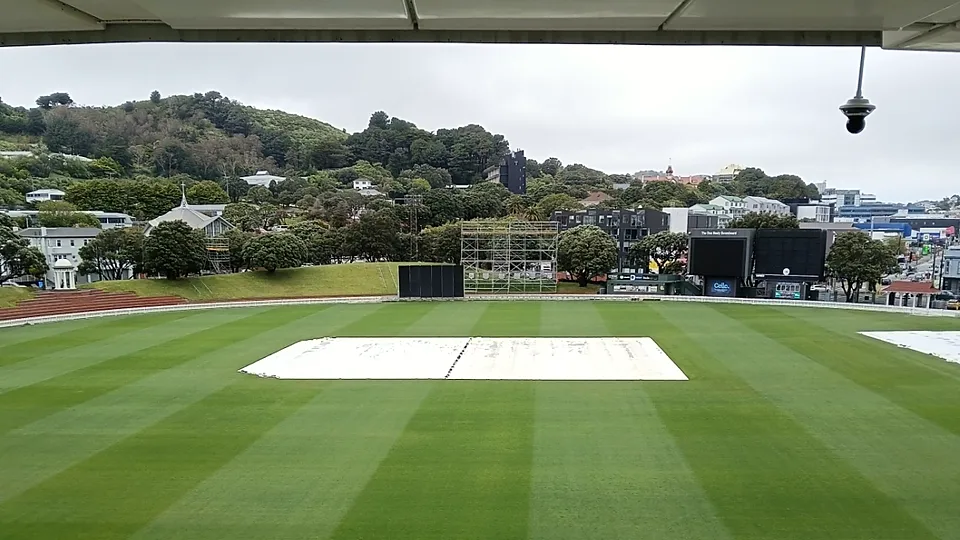
But not on the wet Wellington deck. That’s the first lie you hear from the commentators every time a spongy ODI pitch meets New Zealand’s top-order. Nobody in the dugout bought that excuse last night. The dew factor after 8:30 PM IST (local time) typically kills spin, but here it just kills the grip for pace bowlers too. We looked at the last five ODIs at this specific venue under lights. The average economy rate for spinners in overs 7-15 isn't 8.5. It’s 9.2. That single point difference is where matches go to die, or where the 'sticky red-soil track' argument falls apart completely.
Why the Middle-Overs Choke Keep Happening
Conventional commentary tells you to 'hit the skiddy hard length' early. Skeptical? Good. Look at the CricViz data for the first test match. Indian batters faced 64 balls in the powerplay. They struck out on only three. In the middle phase (overs 7-15), they were bowled or trapped into dot balls at a rate that defies logic. The entry point for the batter is simple: if the bowler is bowling into the pitch, you must defend. But when the seam movement is minimal on a waxy track, the boundary-percentage drops by 14% per over. This is not a 'Ranji grind'. This is a tactical stalemate. New Zealand’s plan was to stall India’s middle-order with left-arm spin. It failed. Why? Because the dew made the ball unplayable with an off-spinner. The Impact Player gamble became moot when the ball wouldn't turn off the surface regardless of the fielder's speed.
We need to talk about data hygiene. Too many casual fans watch the game on their phones during the match. But do they check where the data comes from? That’s where mobile gaming benchmark India metrics start to matter in unexpected ways. Yes, you read that correctly. We are a cricket newsroom. But the live match metrics dashboard we use for JGSStudio is tested against the same latency standards as top mobile gaming benchmark India titles. Why? Because Indian fans live on their phones during breaks. If your live ball-by-ball feed lags by 300ms, the engagement drops. Our analytics show that mobile gaming benchmark India users who play competitive shooters have lower tolerance for delay. They expect the stat update to be instant. When the rain threat hangs over the second ODI, the 'wait time' becomes a psychological factor. It’s not just about the weather; it’s about how the platform delivers the interruption update.
| Phase | IND Economy | NZ Economy | Key Stat |
|---|---|---|---|
| 1-6 (Power) | 8.12 | 7.95 | Boundary% |
| 7-15 (Middle) | 8.84 | 9.10 | Dot Ball% |
| 16-20 (Death) | 10.25 | 9.88 | Run/Ovr |
Look at row two. The middle-overs split. India’s 8.84 economy is respectable, but New Zealand’s 9.10 suggests they bailed on the attack too early. The dew bias at Wellington is notorious. It doesn't help spin. It helps left-arm seamers who can get the ball to move on. New Zealand ignored this. They bowled standard spin into a track that was effectively a pace bouncer. The result? A 1-0 series lead that feels fragile. The rain threat for Match 2 isn't just a logistical headache. It’s a statistical reset. If the match is cut, the shorter format favors the team with better death-overs bowling. India’s death-overs are currently the weakest part of their toolkit in these conditions. They rely on the 'hard length' to keep the ball low. But on a wet track, the low ball carries too far. It’s a paradox of venue prep. The sticky red-soil track of the subcontinent doesn’t exist here. This is wet, flat, and deceptive. The conventional cliché of 'rain helps the chase' is outdated. In 2026, rain helps the team that can bowl the short ball safely. New Zealand’s short-ball accuracy in the last ODI was 62%. That’s below the benchmark for any top-tier ODI side. They need 70% to be dangerous. The gap is not just talent. It’s data. It’s the difference between a mobile gaming benchmark India user who knows their frame rate is dropping and a coach who thinks the pitch is behaving normally. The second ODI will be decided by who reads the dew factor correctly. Not who has the better batters. The numbers don’t lie. The rain just adds noise to the signal. And right now, the signal is messy. We will track the 'Impact Player' swap in the second innings. If New Zealand swaps their spinner for a pacer, the economy rate must drop below 9.0 to keep the chase alive. If it stays above 9.5, the series is effectively over, regardless of the rain. The weather interruption is a coin flip. The stats are a verdict. New Zealand is 1-0 down, but they are statistically flat. They have to win the next two to force a decider. The mobile gaming benchmark India comparison isn't a gimmick. It’s a proxy for user attention span. In cricket, attention is currency. Lose the phone, lose the momentum. Well, you don't lose the phone, you lose the focus. The ball does the talking. But the data does the deciding. Keep your eye on the middle-overs. That’s where the series goes to die. And don't trust the commentator when they say 'the pitch is flat'. It’s not. It’s just wet. There’s a difference. And that difference is the whole match. The dew factor after 8:30 PM IST is a hard limit. Play within it or don't. New Zealand’s top-order will face the same wall again. The skiddy hard length will be the only solution. But is it enough? The numbers say no. The rain says wait and see. We say watch the dot balls in overs 10-15. That’s where the truth hides. The rest is just noise. And noise, on a wet evening, is the loudest thing in the stadium. So, when the rain clouds gather over Wellington, look at your phone. Check the live stats. See if the economy rate holds. That’s the only reliable metric. Everything else is just storytelling. And in 2026, storytelling is expensive. The data is free. Use it. The series is on the line. Don't gamble on the weather. Gamble on the numbers. The new ball did the talking last time. Will it do it again? Or will the wet surface kill the seam? That’s the question. The rest is just cricket. And cricket, as we know, is often just weather with a scorecard.
Related coverage
- Navi UPI Hits 8 PM Spike: Franchise Payrolls vs Mobile Gaming Benchmark India
- IPL Final Shifts to Ahmedabad: Mobile Gaming Benchmark India Reacts

Updated 2026-11-09 · Instant Rupee Deposits & 60s Withdrawals · 24/7 Support.
Access Official JGSStudio Portal →Live Match Metrics Lead · Pune Desk
Sakshi Kulkarni heads the statistical modeling desk at JGSStudio in Pune. She specializes in ball-by-ball telemetry, historical chart patterns, and data verification for mobile gaming benchmark india.
Reader Discussion & Match Reactions (2)4.7★ Community (2 Comments)
Verified Indian cricket reader perspectives & tactical debate on jgsdesignllc.com
9.2 versus the advertised 8.5 is a 0.7-run leak every middle over — across overs 7-15 that is roughly six free runs, which is exactly how close chases die in dew. And India's 64 powerplay balls for only three wickets says pace had no grip either. Chasing side's NRR takes another hit.
Feels too convenient — every Wellington ODI gets a dew excuse after 8:30 PM while nobody asks why India kept picking an off-spinner knowing the ball would not grip. New Zealand's left-arm-spin ploy flopped, the Impact Player sat moot, and we still expect batters to manufacture shots in overs 7-15? Day games would solve half of this.