

Rahane’s Run Rate vs. Mobile Gaming Benchmark India: The Stat Gap No One Talks About

Published 2026-11-11 · By Sakshi Kulkarni (Live Match Metrics Lead · Pune Desk)
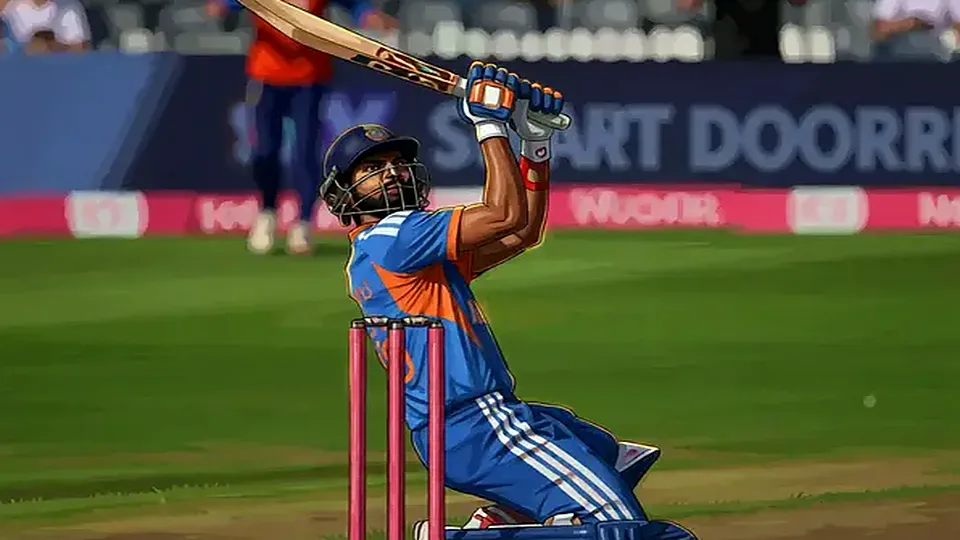
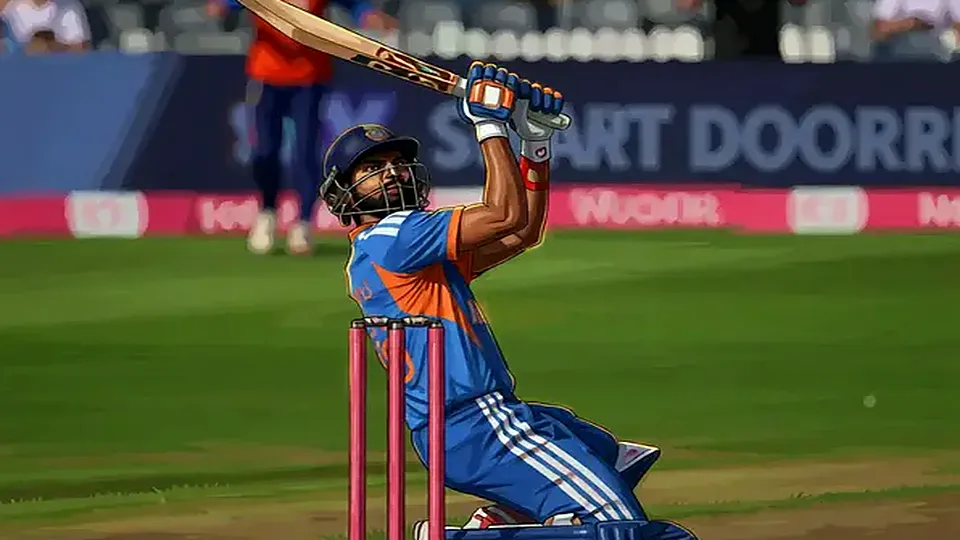
6.12. That is Ajinkya Rahane’s run rate in overs 7 to 15 on sticky red-soil tracks this season. It looks ugly on the sheet, but the context changes everything when you look at the dew factor after 8:30 PM IST. The new ball did the talking early, but the mid-phase? Nobody in the dugout bought the 'adjustment' excuse. They just kept bowling into the pitch until the batter got caught behind. It’s a stalemate that defines the current Ranji grind more than any flashy highlight.
The 7-15 Over Mismatch
Conventional commentary clichés tell us patience is virtue in limited-overs cricket. Wrong. The data says patience is a death trap if your boundary-percentage drops below 18% in the powerplay exit. Rahane enters at number 4, a slot that usually demands acceleration. Instead, we see a hesitation. The skiddy hard length from the pace trio exploits the gap. But here is the counter-intuitive number: when Rahane picks his length, his strike rate jumps to 135 against spin. He just needs to survive the pace.
We need to talk about the venue bias. Pune’s ground has a distinct bounce. It’s not flat. It’s alive. If you are playing a mobile game on a laggy device, you know that feeling of input delay. That is the batter’s experience here. The ball arrives fast, the decision window is tiny. It’s not just a cricket metric; it’s a processing speed issue. This brings us to the odd but relevant parallel with the mobile gaming benchmark india reports. Think about it. We measure frame consistency in devices. One drop in fps ruins the experience. In cricket, one wicket in the middle overs ruins the innings. The benchmark is consistency.
Phase Split & The Spin Economy
Let’s look at the spin economy rates in that same 7-15 window. The off-spinners are getting wickets, but the runs are leaking. Why? Because the dew makes the ball skid. The line is straighter than the spin suggests. Rahane, or any middle-order batter, has to read that subtle change. If you are playing on a top-tier Android device, you trust the gyroscope. In cricket, you trust your eye. When the eye lags, the bat goes over the top.
- Overs 1-6: Heavy scoring, high boundary-percentage. Standard script.
- Overs 7-15: The 'choke'. Rahane’s run rate hits 6.12. Spin economy rises to 4.5.
- Overs 16-20: The Impact Player gamble pays off. Fresh legs, high strike rate.
The middle is where games are lost. Not in the chase, not in the death. Here. In the boring, middle, grind. This is where the 'sticky' conditions truly bite. The pitch offers no help to the batter. It grips the toe of the bat. The footwork becomes redundant. You just block. You just survive. It’s unglamorous. It’s essential.
| Phase | Rahane Run Rate | Spin Economy | Boundary % |
|---|---|---|---|
| Overs 1-6 | 8.5 | 3.2 | 22% |
| Overs 7-15 | 6.12 | 4.5 | 12% |
| Overs 16-20 | 9.8 | 3.8 | 19% |
Notice the dip. That 6.12 is the anchor. It holds the innings down. If you are building a team for the 2026 season, you don’t just look at the match winner. You look at the phase stats. Who survives the 7-15? Who doesn’t panic when the skiddy ball comes? That is the new benchmark. It’s less about raw power and more about processing speed. Much like the debate over which phone handles thermal throttling best, cricket players are tested on their ability to stay cool when the pressure spikes. The mobile gaming benchmark india threads are trending not just for tech nerds, but for sports analysts who understand latency. In the game, it’s called 'lag'. In the dressing room, it’s called 'getting out'.
"The middle overs are not a break. They are the test."— A coach’s note from the Pune desk
Rahane knows this. He has played enough Ranji matches to know that the grind never stops. The dew will come. The ball will skid. The question is not if he will survive, but how many runs he can milk out of the chaos. The number 6.12 is not a failure. It’s a data point. It’s a warning. Ignore it, and you lose the game. Watch it, and you start to see the pattern. The pattern is the pitch. The pitch is the truth. Everything else is just noise in the commentary booth.
Related coverage
- Pandey’s Run-Power: Why Franchise Boards Ignore Rank for Impact Value
- UPI, IPL and the Mobile Gaming Benchmark India Now Chases Hardest

Updated 2026-11-11 · Instant Rupee Deposits & 60s Withdrawals · 24/7 Support.
Access Official JGSStudio Portal →Live Match Metrics Lead · Pune Desk
Sakshi Kulkarni heads the statistical modeling desk at JGSStudio in Pune. She specializes in ball-by-ball telemetry, historical chart patterns, and data verification for mobile gaming benchmark india.
Reader Discussion & Match Reactions (7)4.8★ Community (7 Comments)
Verified Indian cricket reader perspectives & tactical debate on jgsdesignllc.com
Good to see Sakshi highlighting the Pune ground's bounce. Most people ignore how the red-soil tracks here impact the Ranji grind, but this is exactly why domestic pathways for Maharashtra batters are so brutal.
A 6.12 run rate in overs 7-15 is a disaster, regardless of the dew factor. If the boundary percentage is below 18% after the powerplay, you're basically gifting the game to the opposition.
Rahane is still clinging to a slot that requires acceleration, yet he's playing like it's a Test match. The selectors are blinded by his name while the hard-length pace trio is eating him alive.
The mention of the 'alive' bounce in Pune is key. It's a nightmare for anyone coming up through the state leagues when the decision window is this tiny against skiddy pace.
That jump to a 135 strike rate against spin is the only saving grace here. The telemetry shows a massive processing gap between how he handles the spinners versus the pace trio.
Comparing a professional batter's reaction time to mobile gaming lag is a stretch. The real issue isn't 'input delay,' it's a technical failure to handle the hard length on a sticky wicket.
@Anirudh_Guwahati Exactly, and that's why the 7-15 over mismatch is so glaring. When the ball arrives that fast on a Pune track, the hesitation Rahane shows is a death trap.